Design
bilti.
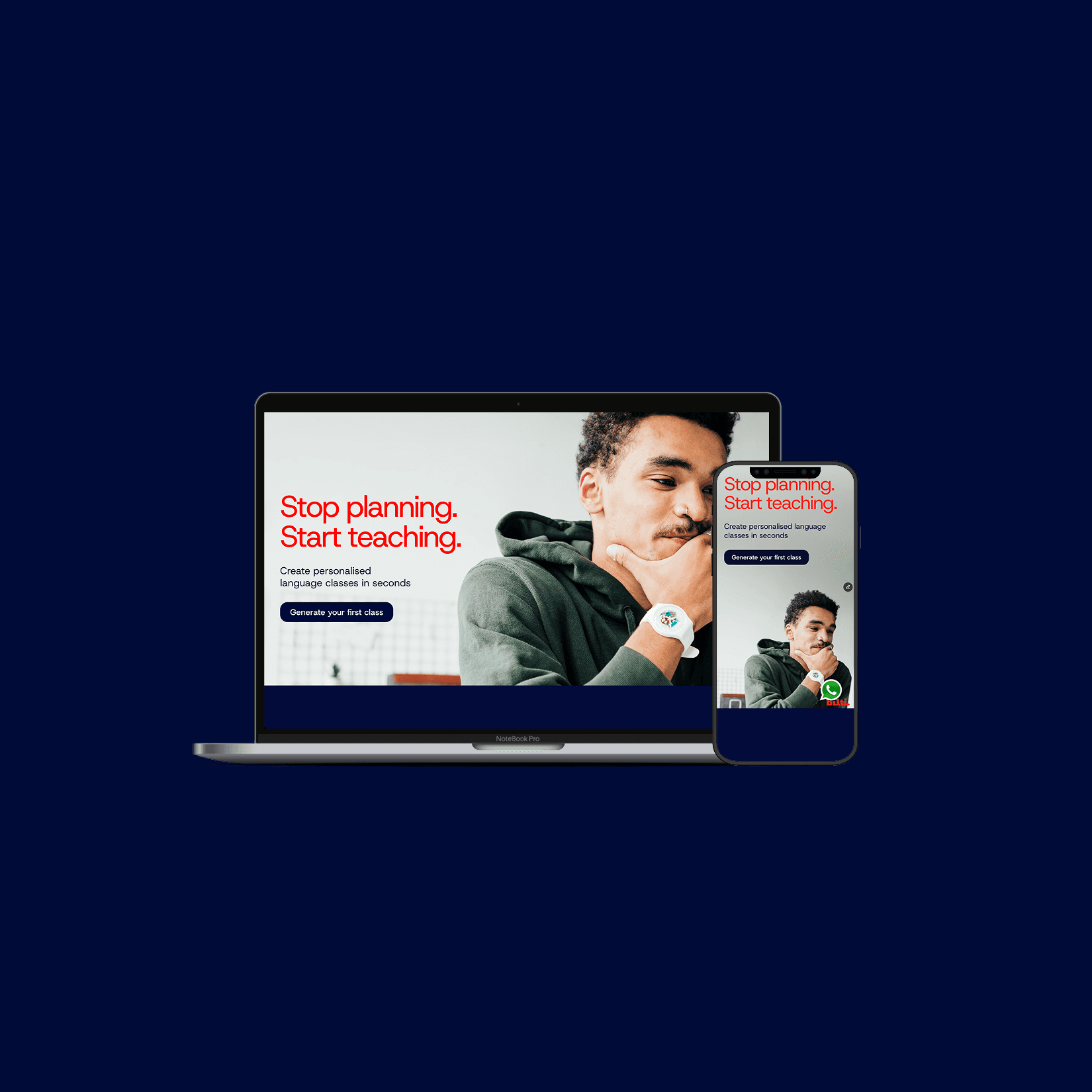
Stop planning. Start teaching.
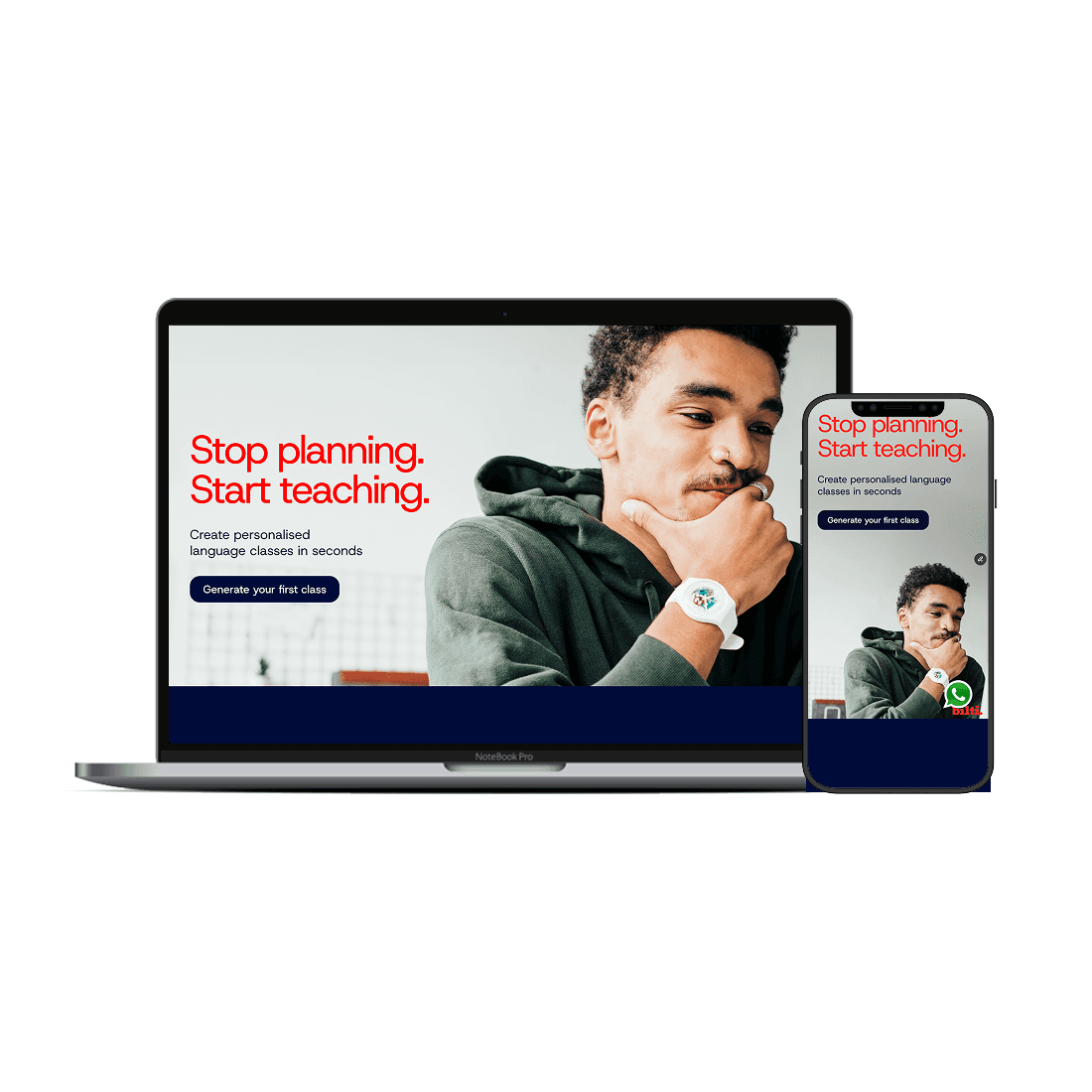
Language tutors on platforms like Preply and Verbling spend one to two hours preparing for every session. Sourcing vocabulary, building exercises, finding audio, writing homework. Each piece in a different tool, each week from scratch. The session itself, the conversation, the actual teaching, is the last thing they get to.
bilti.was built to return that time.
The product started as a personal workaround: a structured Word document to organise what a lesson should contain. The architecture was already there. What was missing was the scaffolding to make it repeatable, personalised, and deliverable at speed.
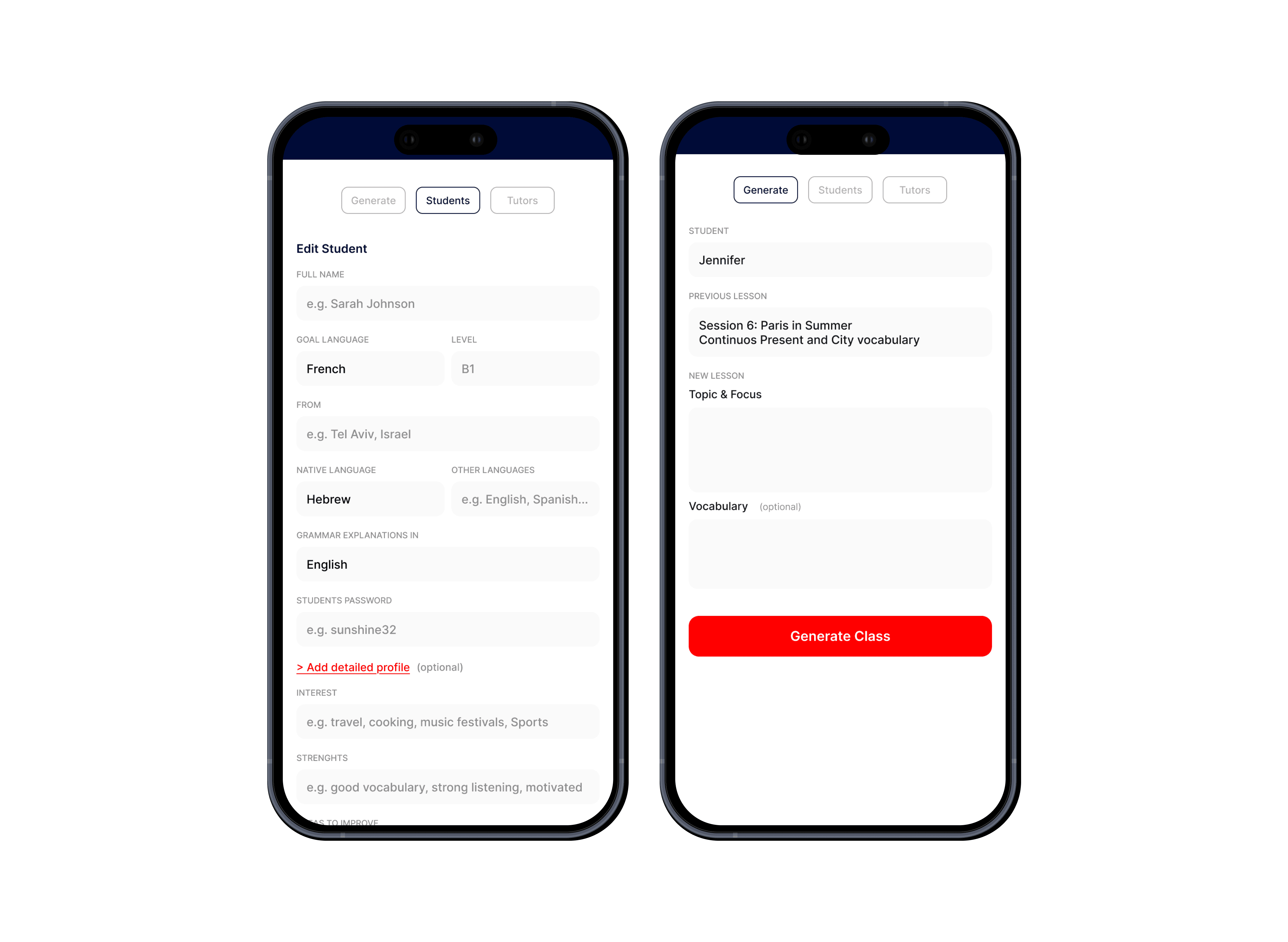
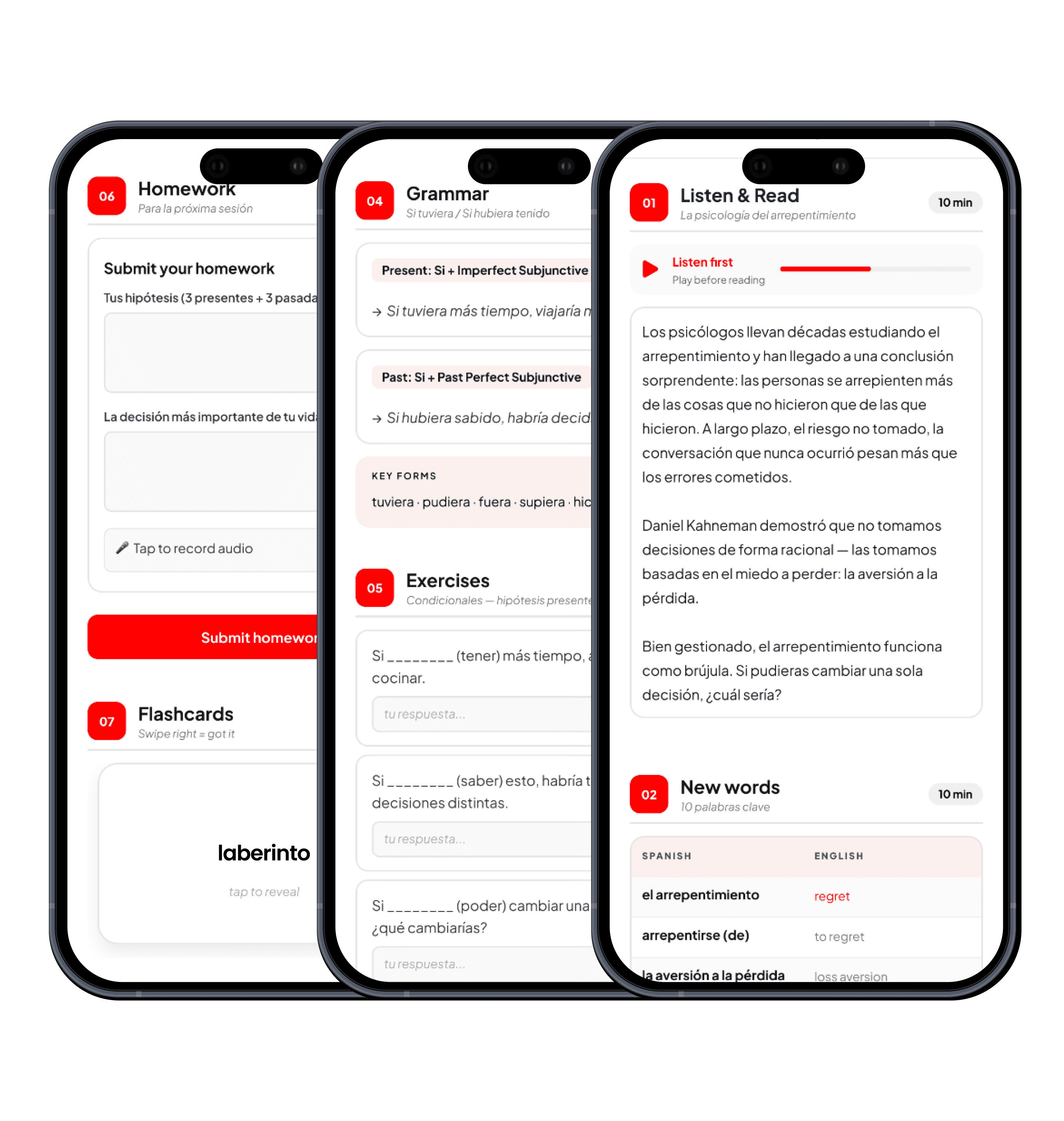
The design brief was precise. A tutor types a topic. bilti generates a complete lesson, vocabulary with audio, structured exercises calibrated to the student's level, and delivers it as a single link. The student opens it, works through the material, submits homework. The tutor receives it back with mistakes already flagged. The session starts at understanding, not at correction.
Three failure points defined the product. Preparation: from multi-tool fragmentation to one output. Personalisation: from generic content to student-specific lessons. Feedback: from manual correction to automatic review. Each one a design decision, not a feature.
The visual identity follows the same logic as the product: minimal, direct, no excess. A system built around clarity of purpose, legible across devices, and appropriate for a professional context without feeling corporate.
bilti. is currently in open beta with language tutors across Preply and Verbling. The product is live. The loop between use and design is open.